Columbus · Dublin · Hilliard · Gahanna · Upper Arlington · Reynoldsburg · Worthington
Water damage help for Columbus homes
Flooded basement, burst pipe, sewer backup, smoke or mold? One call connects you with an independent restoration contractor that works in Columbus and the nearby suburbs.
- Independent local restoration contractors
- No obligation to hire
- Columbus and nearby suburbs
What happened?
Start with what you're dealing with
Each page explains what to do first, what the contractor will do and what to ask.
- Water Damage RestorationLeaks, overflows and failed appliances: water out, structure dried, damaged materials replaced.What to do
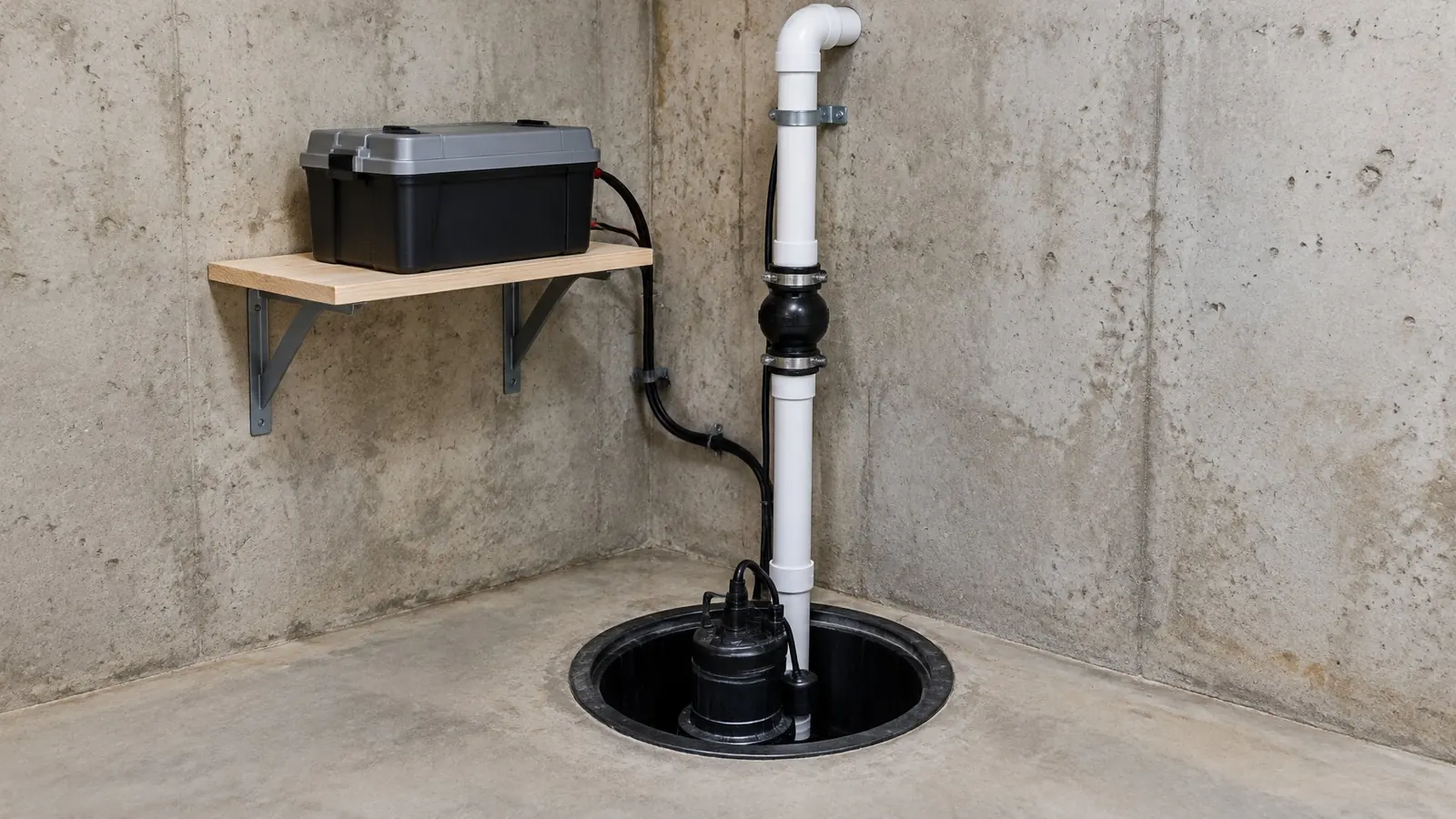
- Flooded Basement CleanupStorm water, a failed sump pump or seepage: water pumped out, contents moved, the basement dried.What to do
- Frozen & Burst PipesA pipe split in the cold or a supply line let go: water off, extracted and the walls and floors dried.What to do
- Sewage Backup CleanupSewage through a floor drain or toilet: contaminated materials removed, the area cleaned, sanitized and dried.What to do
- Water Extraction & DryingPumps and extractors take up standing water; air movers and dehumidifiers dry the structure, checked daily.What to do
- Storm & Roof Leak DamageRain through the roof, ice dams or wind-driven water: ceilings, walls and insulation dried or replaced.What to do
- Fire & Smoke DamageSoot, smoke odor and the water used to put the fire out: cleaned, deodorized, dried and rebuilt.What to do
- Mold RemediationMold after a leak or flood: the moisture source fixed, the area contained, moldy materials removed.What to do
Columbus basements
Older homes, older sewer connections
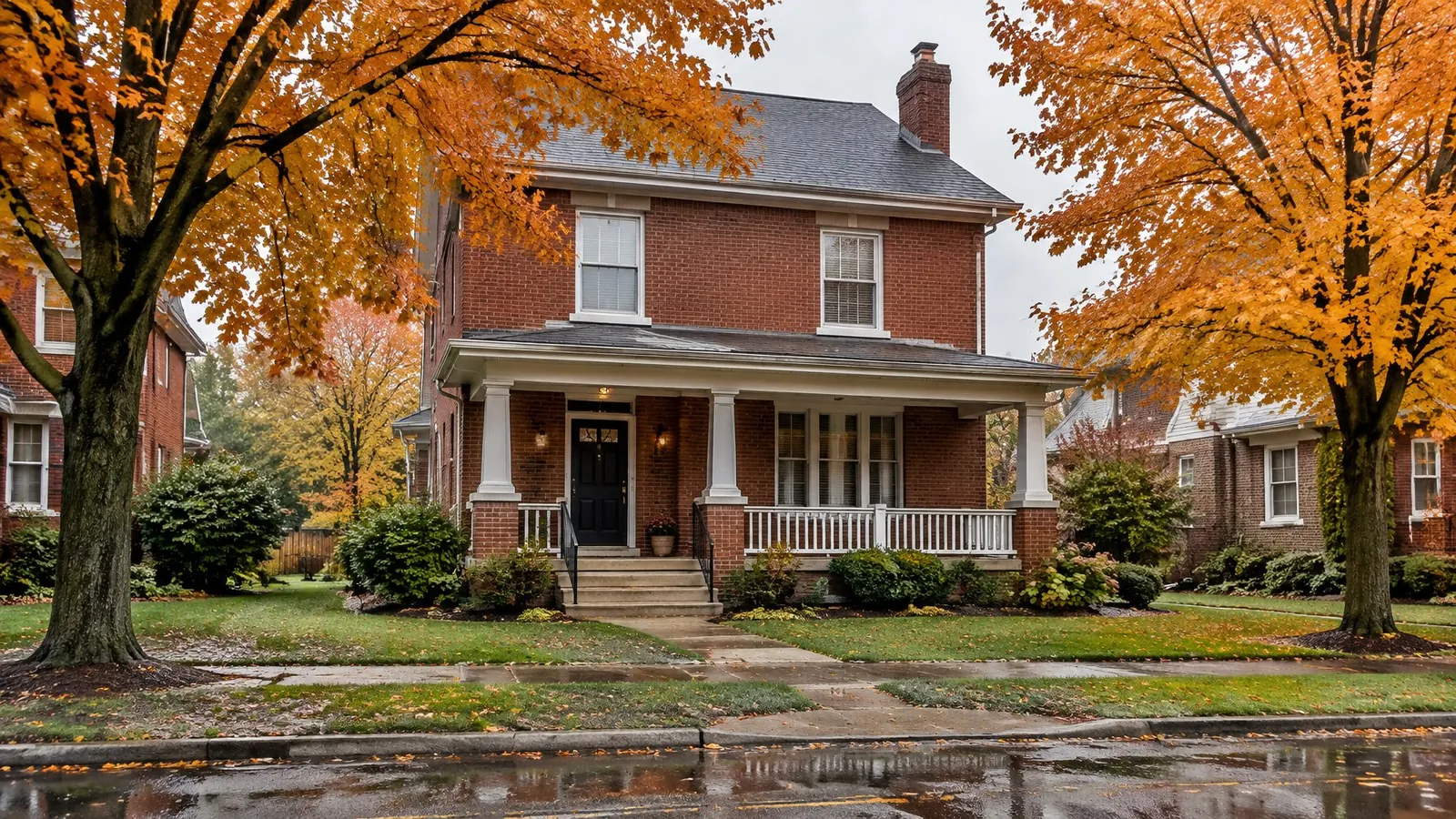
Columbus is home to about 938,000 people (Census 2025 estimate), and the age of a house matters for its basement. According to the city's Blueprint Columbus brochure, in homes built before the 1960s the foundation drain connects directly to the sanitary sewer, while sump pumps have been standard in new homes only since the mid-1960s. In older homes the sewer lateral is often clay pipe, which cracks and lets in tree roots.
If sewage comes up through the floor drain during heavy rain, report it to the city within 24 hours. That report is what qualifies an eligible home for Project Dry Basement, under which the city covers an approved backflow prevention device. The city does not clean up private property; that is the restoration contractor's job.
Not all water is the same
Clean, gray and black water
Restoration contractors sort water by how contaminated it is, following the industry's IICRC S500 standard. The category decides what can be dried and what has to go.
Clean water
From a clean source, such as a burst supply line, a leaking water heater or an overflowing sink with no soap or waste.
- Usually dried in place
- Carpet can sometimes be saved
- Turns into category 2 if it sits
Gray water
Water with some contamination, such as dishwasher or washing machine discharge, or a toilet overflow with urine but no feces.
- Cleaned and treated, then dried
- Carpet pad usually replaced
- Turns into category 3 if it sits
Black water
Grossly contaminated water: sewage, a toilet backflow from beyond the trap, or flood water from rivers and streams.
- Porous materials removed
- Surfaces cleaned and sanitized
- Keep people and pets away
How it works
From the call to a dry house
You call
Tell the person who answers what happened, where the water or smoke came from and your ZIP code.
You're connected
The call goes to an independent restoration contractor that serves your part of Columbus.
They assess
The contractor inspects, measures moisture, explains what needs removing and gives you their price.
You decide
Hire them or not. There is no obligation, and the agreement is between you and the contractor.
Columbus rules
Four things worth knowing
Sewer backups: 24 hours
Report to the Sewer Maintenance Operations Center, 614-645-7102, within 24 hours to be considered for Project Dry Basement.
Your lateral is yours
Homeowners maintain the sewer pipe from the house to the city sewer (city brochure).
Drywall over 32 sq ft
Needs a permit and plan review in Columbus; flooring and painting don't (BZS sheet).
City-licensed contractors
Contractors working in Columbus need a city license or registration (contractor licenses).
Nearby
Also taking calls from these suburbs
Each page lists who issues permits there and who runs the water and sewer.
 DublinColumbus supplies Dublin's water; Dublin's own Division of Building Standards issues permits.ZIP 43016, 43017
 HilliardColumbus provides water and sewer; the city says basement water is usually the homeowner's to fix.ZIP 43026
 GahannaOn the Columbus water and sewer contract list; Gahanna's Division of Building issues permits.ZIP 43230
 Upper ArlingtonColumbus supplies the water; Upper Arlington's own Public Service handles sewer and stormwater.ZIP 43220, 43221
 ReynoldsburgReynoldsburg's Building Department issues permits, including flood hazard area permits.ZIP 43068
 WorthingtonIts own Division of Building Regulation, and an Architectural Review District for older homes.ZIP 43085
Questions
What callers ask
Who will I be talking to when I call?
An independent restoration contractor that serves your area, or a call service that connects you with one. This site doesn't employ technicians or do the work itself. See how it works.
Does it cost anything to call?
No. You pay nothing to this site. The contractor gives you its own price, and you decide whether to hire it.
Can you help with fire damage and mold as well as water?
Yes. Calls about fire and smoke damage and about mold are connected the same way, to an independent contractor that handles that work.
Which areas does the site cover?
Columbus and the nearby cities of Dublin, Hilliard, Gahanna, Upper Arlington, Reynoldsburg and Worthington. Call and say your ZIP code.
Will my insurance pay for the damage?
That depends on your policy and the cause. Sewer backup coverage, for example, often has to be added to a standard policy. Talk to your insurer or agent; this site can't tell you what is covered. See insurance basics for Ohio homeowners.
Do I need a permit for the repairs?
Sometimes. In Columbus, replacing more than 32 square feet of drywall needs a permit and plan review; new flooring and painting don't (city sheet). The suburbs run their own building departments; see the area pages.
Water, smoke or mold?
Talk to a Columbus restoration contractor
One call connects you with an independent restoration contractor serving Columbus and nearby suburbs. Tell them what happened, where the water came from and how long it has been wet.
Water in the house? Talk to a restoration contractor now.
You are connected with an independent water damage restoration contractor that serves your part of central Ohio.
Call (380) 214-0333Calls may be recorded. See the referral disclosure and privacy policy.